

 |
 |
 |
 |
Envío 2016 / Delivery 2016
Este año el envío a Etiopía ha consistido en material escolar, algo de ropa y dinero para poder seguir estudiando sin necesidad de que las chicas tengan que trabajar.
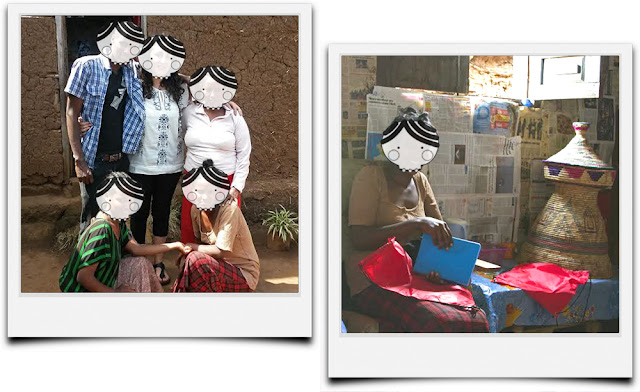 This year we sent to Ethiopia school supplies, some clothes and some money so the girls continue studying instead of working.

Boda / Wedding
Pequeña Mita se quedó escuchando horrorizada como sus amiguitas farenji fantaseaban con el día de su boda: vestido, flores, príncipe azul...
Fue corriendo a casa y, entre lágrimas, pidió a su madre que no la obligara a casarse al menos hasta que cumpliera los 18 años porque ella, con lo que fantasea, es con poder seguir estudiando como Tesfanesh y Bereket...

Little Mita listened horrified how her farenji friends dreamed about their wedding day: dress, flowers, charming prince...
She ran back home and crying she ask her mother not to force her to get married at least until she is 18 years old, because her dream is to go on studying like Tesfanesh and Bereket...
Trabajo / Work
La mamá de Pequeña Mita trabaja muy duro. Es lavandera y tiene que lavar a mano sábanas y pesadas toallas para un hotel cercano. Cuando llega a casa está muy cansada y dolorida.
Su sueldo no es muy grande, le pagan 600 birrs al mes (ni 30 euros), y con ello no alcanzan para pagar el alquiler, comida, colegio, medicinas...
A Pequeña Mita le encantaría poder ayudar a su mamá a poner un puesto de comida: ¡su mamá es la mejor cocinera de toda Etiopía!
 Little Mita's mother works very hard. She's a laundry woman and she has to wash by hand sheets and heavy towels for a nearby hotel. When se arrives home she's really tired and in pain. Her salary is not much, they pay her 600 birrs every month (not even 30 dollars), and with that she can't pay the rent, food, school, medicines...
Little Mita would love to help her mum to build a food stand. Her mum is the best cooker in all Ethiopia!
Su sueldo no es muy grande, le pagan 600 birrs al mes (ni 30 euros), y con ello no alcanzan para pagar el alquiler, comida, colegio, medicinas...
A Pequeña Mita le encantaría poder ayudar a su mamá a poner un puesto de comida: ¡su mamá es la mejor cocinera de toda Etiopía!

Little Mita would love to help her mum to build a food stand. Her mum is the best cooker in all Ethiopia!
Adopción / Adoption
Mita está un poco triste... Tras jugar varias semanas con un nuevo amigo farenji, le ha dicho que se va a su país porque ya han terminado con los papeles de la adopción de su hermanita.
Al preguntar a su amigo qué significaba "adopción", le ha dicho que es buscar una familia a un niño que no la tiene.
No entiende nada, la nena sí que tiene familia. Mita conoce a sus primos y tíos, incluso a su madre.
Al llegar a casa se lo ha preguntado a su madre y ella le ha explicado que su mamá de Etiopía no podía cuidarla porque estaba sola y sin trabajo y que necesita que otra familia cuide de su nena...

Mita is a little bit sad... After several weeks playing with her new farenji friend, he is returning to his country because his family finally has all the papers they needed for the adoption of his little sister.
Mita asked her friend what "adoption" means, and he answered that an adoption is when the state looks for a family for a child who doesn't have one.
She doesn't understand, because the little sister has got a family. Mita knows her uncle, aunt and cousins, and even her mother.
When she arrived home she asker her mother, who explained her that the Ethiopian mother of the little girl can't take care of her anymore. The Ethiopian mother is alone and unemployed, so she needs that other family takes care of her daughter...
Salud / Health
Un amigo farenji de Pequeña Mita se puso malito. Enseguida lo llevaron al hospital, le hicieron un montón de pruebas y le dieron su medicina. Ya está perfectamente y vuelven a jugar juntos.
Ella recuerda que hace tiempo le pasó lo mismo a ella y a su madre, pero esa vez, sólo su mamá fue al médico y al volver a casa tuvo que pedir ayuda a los vecinos y familiares para poder pagar al médico y las medicinas para las dos. Al contarle a su mamá lo de su amigo, ella le explicó que la diferencia en poder recibir asistencia sanitaria y tratamiento está en tener o no dinero...

A farenji friend of Little Mita was ill. He went to the hospital, where the doctors examined him and gave him a medicine. He is now completely recovered and they can play together again.
Little Mita remembers that some time ago the same thing happened to her and her mother, but that time only mum went to the doctor, and when she came back she had to ask for help to pay the doctor and the medicines to their neighbours and relatives. When Little Mita told her mum what happened to his friend, her mum explained her that only if you have money you'll get healthcare.
Ella recuerda que hace tiempo le pasó lo mismo a ella y a su madre, pero esa vez, sólo su mamá fue al médico y al volver a casa tuvo que pedir ayuda a los vecinos y familiares para poder pagar al médico y las medicinas para las dos. Al contarle a su mamá lo de su amigo, ella le explicó que la diferencia en poder recibir asistencia sanitaria y tratamiento está en tener o no dinero...
A farenji friend of Little Mita was ill. He went to the hospital, where the doctors examined him and gave him a medicine. He is now completely recovered and they can play together again.
Little Mita remembers that some time ago the same thing happened to her and her mother, but that time only mum went to the doctor, and when she came back she had to ask for help to pay the doctor and the medicines to their neighbours and relatives. When Little Mita told her mum what happened to his friend, her mum explained her that only if you have money you'll get healthcare.
Suscribirse a:
Entradas (Atom)